Ex-Bourbon Casks: An Explainer
The majority of single malt whisky made in the UK is matured in ex-bourbon casks. But if you’ve ever wondered what that actually means, or what American bourbon has to do with English whisky, or indeed Scotch for that matter, then here’s a quick introduction to this ubiquitous cask type.
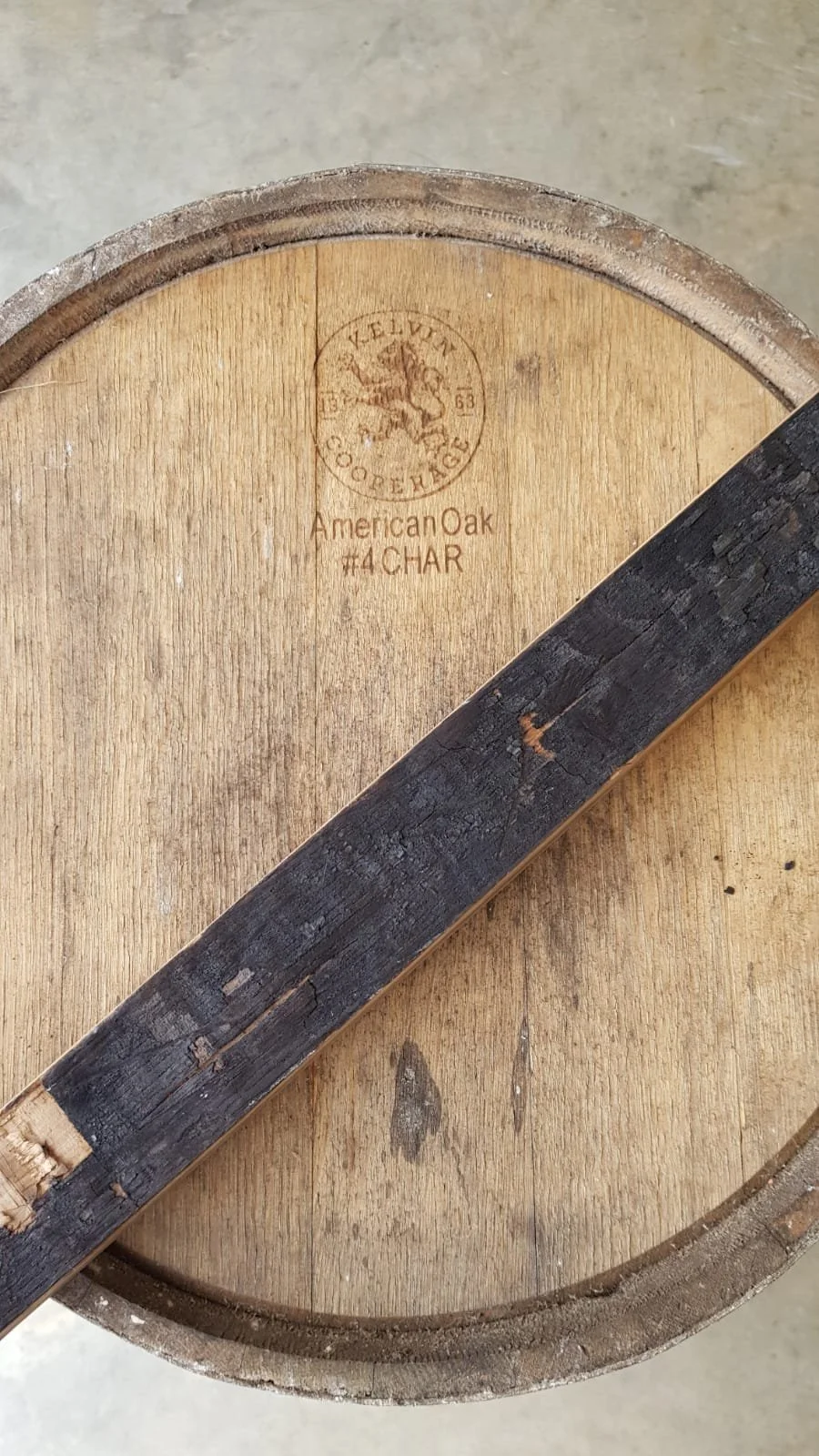
An ex-bourbon cask is simply an oak cask that previously held bourbon whiskey (n.b. that’s whiskey with an E for the American stuff, but you’ll see it’s whisky (no E) when we make it!) Thanks to the lobbying powers of the American lumber industry, it’s written into the legal definition of a bourbon that it must have been matured in a barrel made of virgin American oak (Quercus Alba). Because each cask must be brand new when it’s filled with bourbon, distilleries in the US must retire them after one use; an average of just four years’ maturation. This is…odd behaviour, because these fresh oak casks still have a ton of flavour and colour to give the spirit inside.
Whisky makers worldwide will happily use these casks, so they are shipped globally to age other spirits - and are now called ex-bourbon casks.
FLAVOUR
Beyond convenience and availability, ex-bourbon casks also contribute distinct flavours that complement single malt whisky. American white oak contains high levels of lignin, which imparts vanilla notes, while oak lactones lend creamy coconut flavours. The heavy charring inside the cask further contributes caramel and toasted notes during maturation. All good things for the development of flavour in our maturing new make spirit.
THE PLOT THICKENS
Distilleries can use their ex-bourbon casks strategically to manage the intensity of flavour and colour extraction. Freshly imported casks from Kentucky are highly active and rich in useful flavour and colour compounds. When filled with single malt new make spirit for the first time, they are known as first-fill ex-bourbon casks.
But certainly in comparison with the hot and humid maturation conditions of the American South, the rate of extraction of colour and flavour in the UK is much, much slower. A single malt can mature in a first-fill cask for a decade, and still leave flavour and colour compounds behind. Once emptied, the cask can be refilled with new spirit as a second-fill ex-bourbon cask.
Second-fill casks impart colour and flavour at a gentler rate. But sometimes, that slower rate is exactly what the whisky maker wants, because it offers a different balance of the maturation reactions.
Very briefly, there are three main types of reactions happening inside the cask: additive reactions add colour compounds and flavour compounds like the lignin mentioned above from the wood to the spirit; subtractive reactions pull unwanted flavour compounds (like sulphurous notes) from the spirit into the wood; and interactive reactions are where the oxygen that seeps into the cask through the wood reacts with the spirit to create different flavours and smooth the spirit down.
In a second-fill cask, the additive reactions will be slower and less intense, definitely, but the interactive reactions that are a crucial element of maturation, can truck along at normal pace. So if a maturing whisky exhibits good flavour development but retains youthful or spirity notes, moving it into a less active second-fill cask allows oxidation to round out the palate without over-oaking the spirit.
Generally, casks used beyond second fill are referred to as 'vessel wood.' Though inactive in terms of flavour extraction, these casks allow whisky to continue ageing legally without dramatically altering its flavour profile. Vessel wood is also ideal for marrying different components in a release - such as sherry- and bourbon-matured whiskies - allowing those two very different whiskies to integrate nicely before bottling.
THE COOPER KING/MB ROLAND PARTNERSHIP
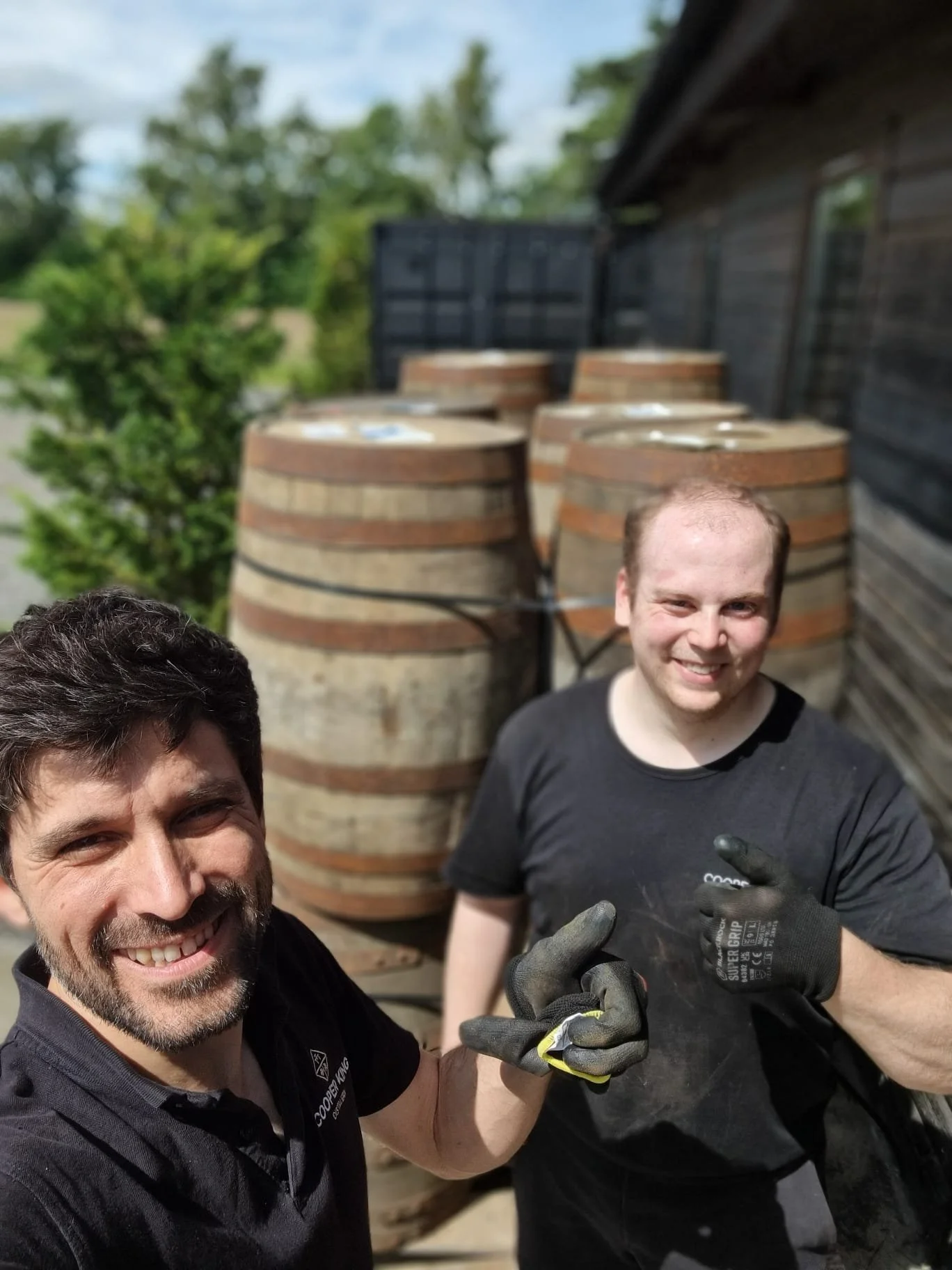
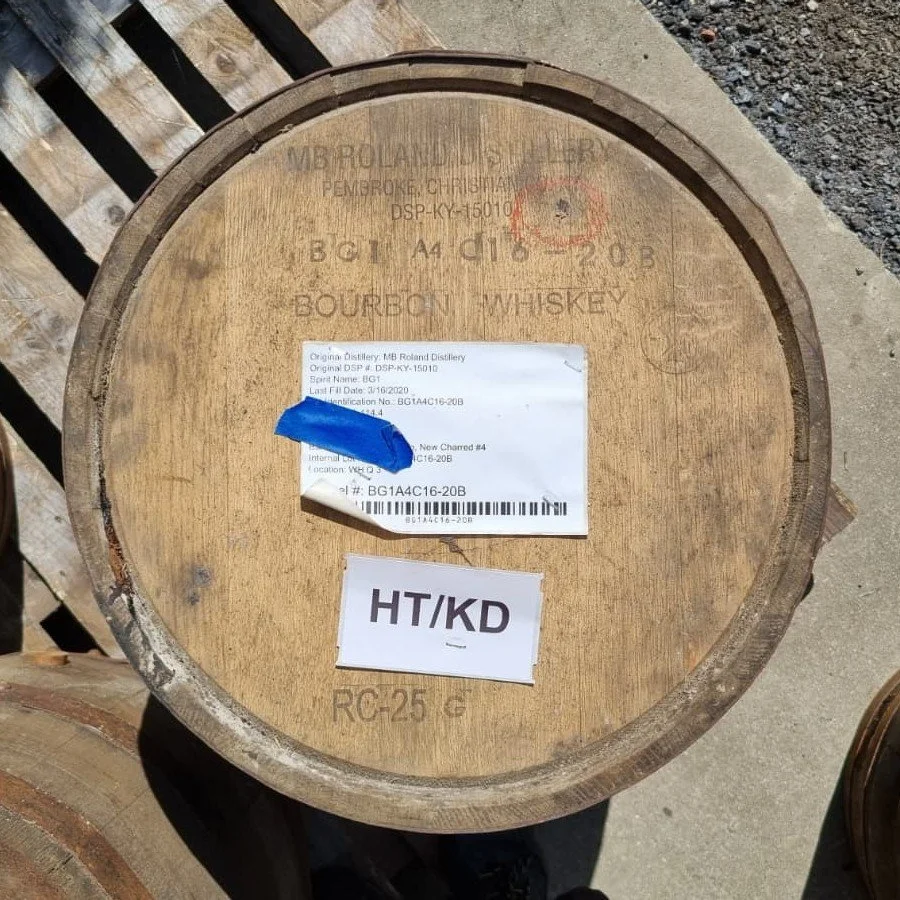
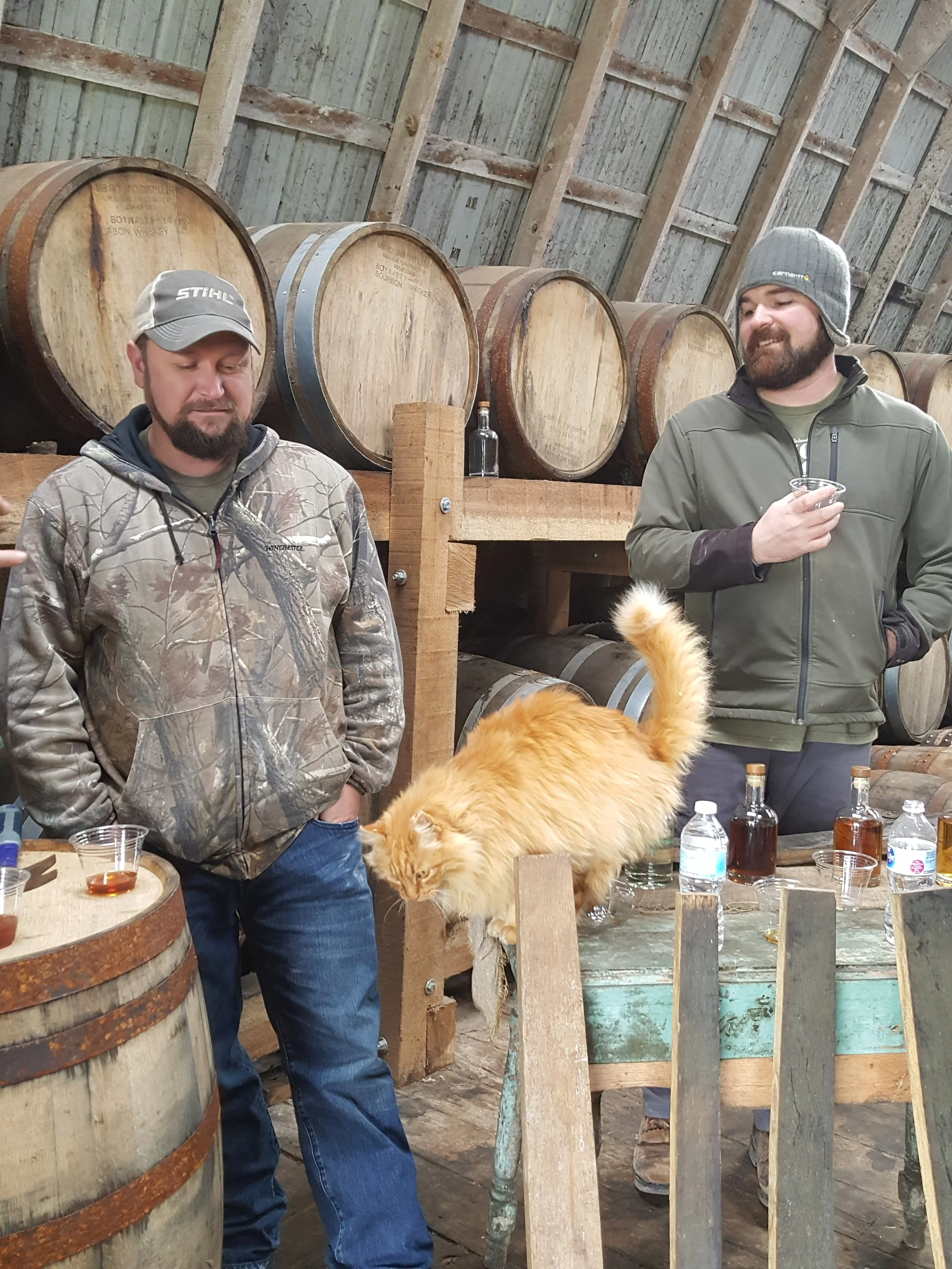
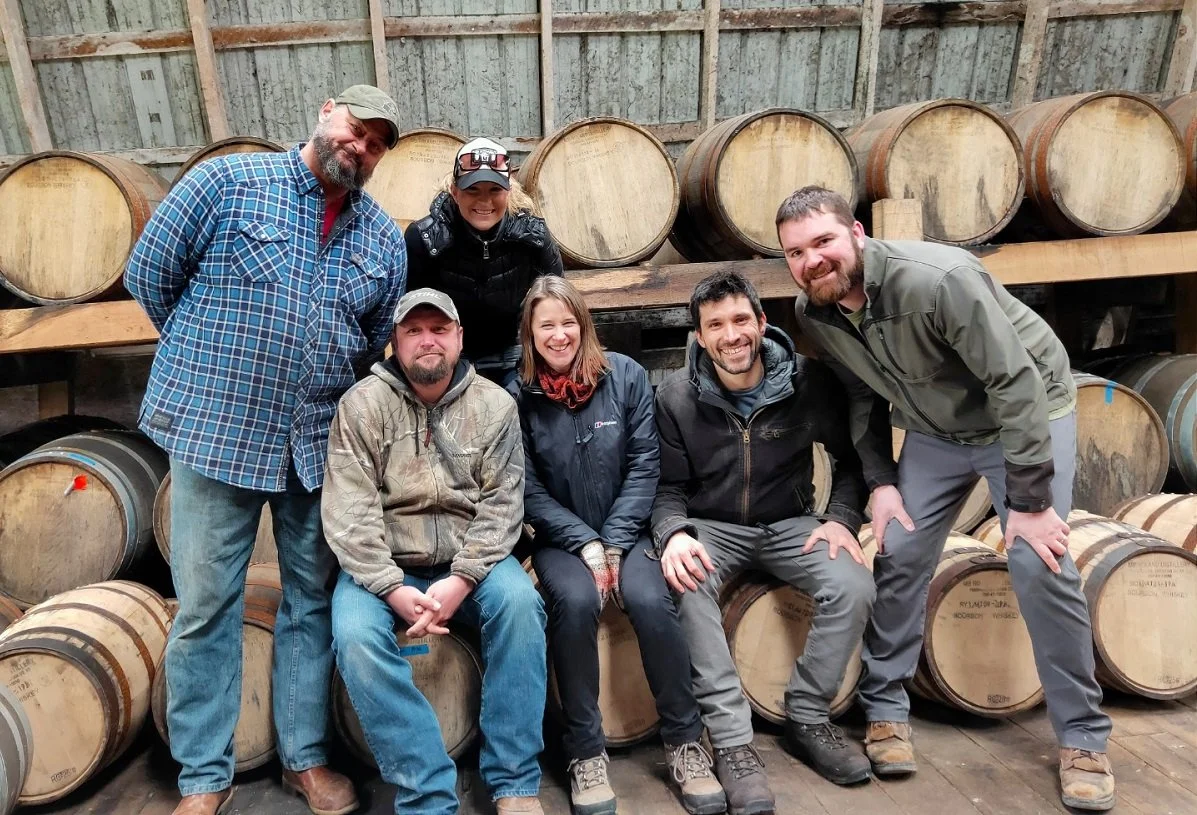
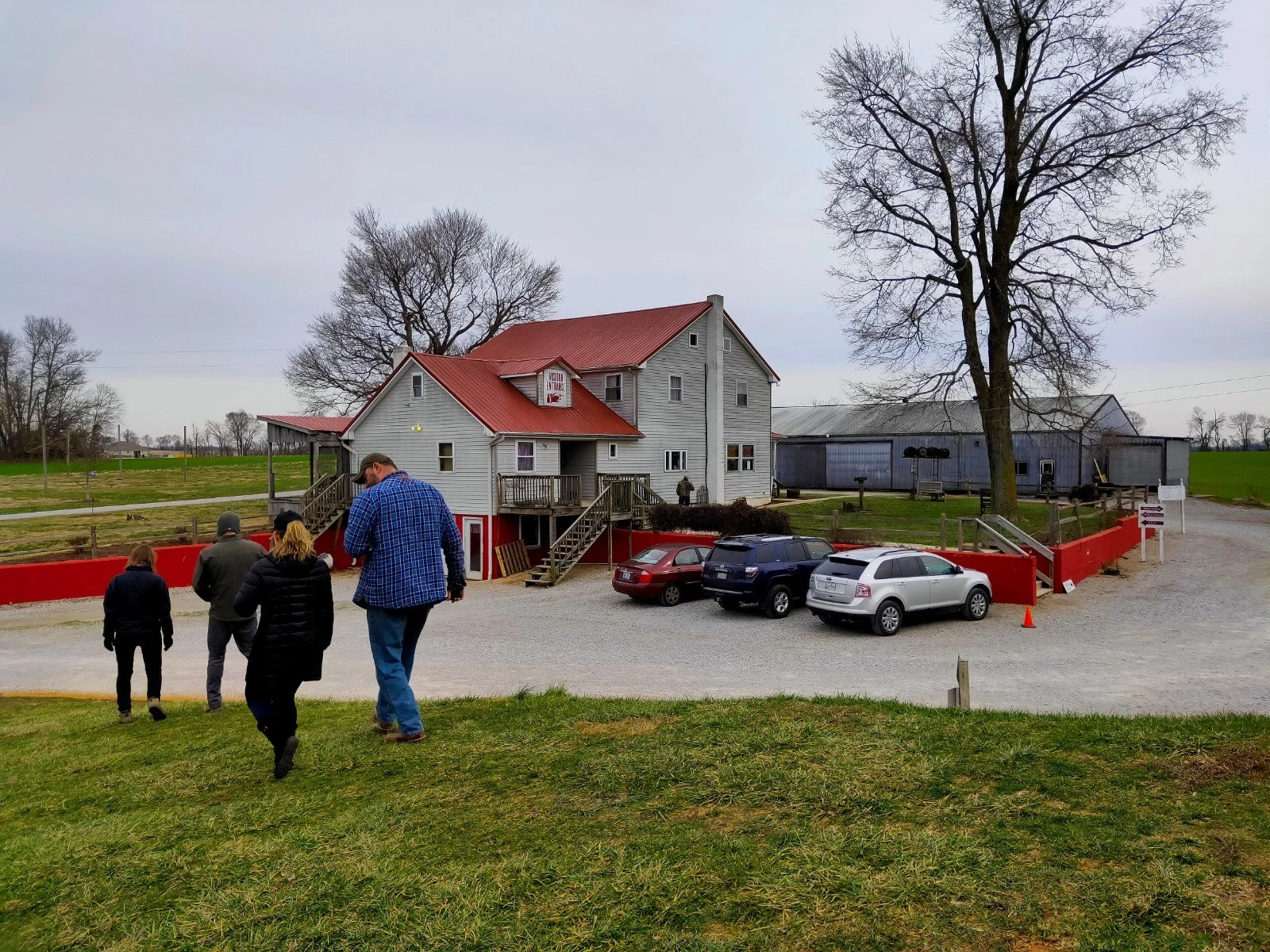
At Cooper King, we prefer using smaller casks to mature our whisky - it’s another influence from our Tasmania days. They permit a faster maturation due to the increased wood surface to spirit ratio, and together with the spirit, create a fruity, complex and full-bodied whisky. An American Standard Barrel (ASB) holds 200 litres, so we needed to find a producer who used smaller casks. Following a recommendation from some friends of Cooper King, Chris and Abbie headed to MB Roland Distillery in Kentucky, and established a partnership with this brilliant family-run distillery. Today, all our ex-bourbon, rye, and corn whiskey 100-litre casks are shipped whole, directly from MB Roland, arriving nicely wet and full of character. You can read more about them here.
OUR FIRST SINGLE CASK EX-BOURBON RELEASE
Ex-bourbon casks form an important portion of our maturing stock, and have been a key part of the cask recipe in past releases like Transatlantic. As they mature, however, they are really starting to come into their own as individual casks too, so we have recently bottled our very first single cask ex-bourbon release. It is a collaboration with Michelin-starred chef Tommy Banks, celebrating twenty years of his restaurant, The Black Swan, Oldstead. It is a truly delicious whisky; toasted coconut, vanilla pod, rhubarb and dried orange on the nose, with a richly textured palate of fruit cake, malt, almond and beeswax. And a lingering, rich finish of toffee and toasted granary bread.
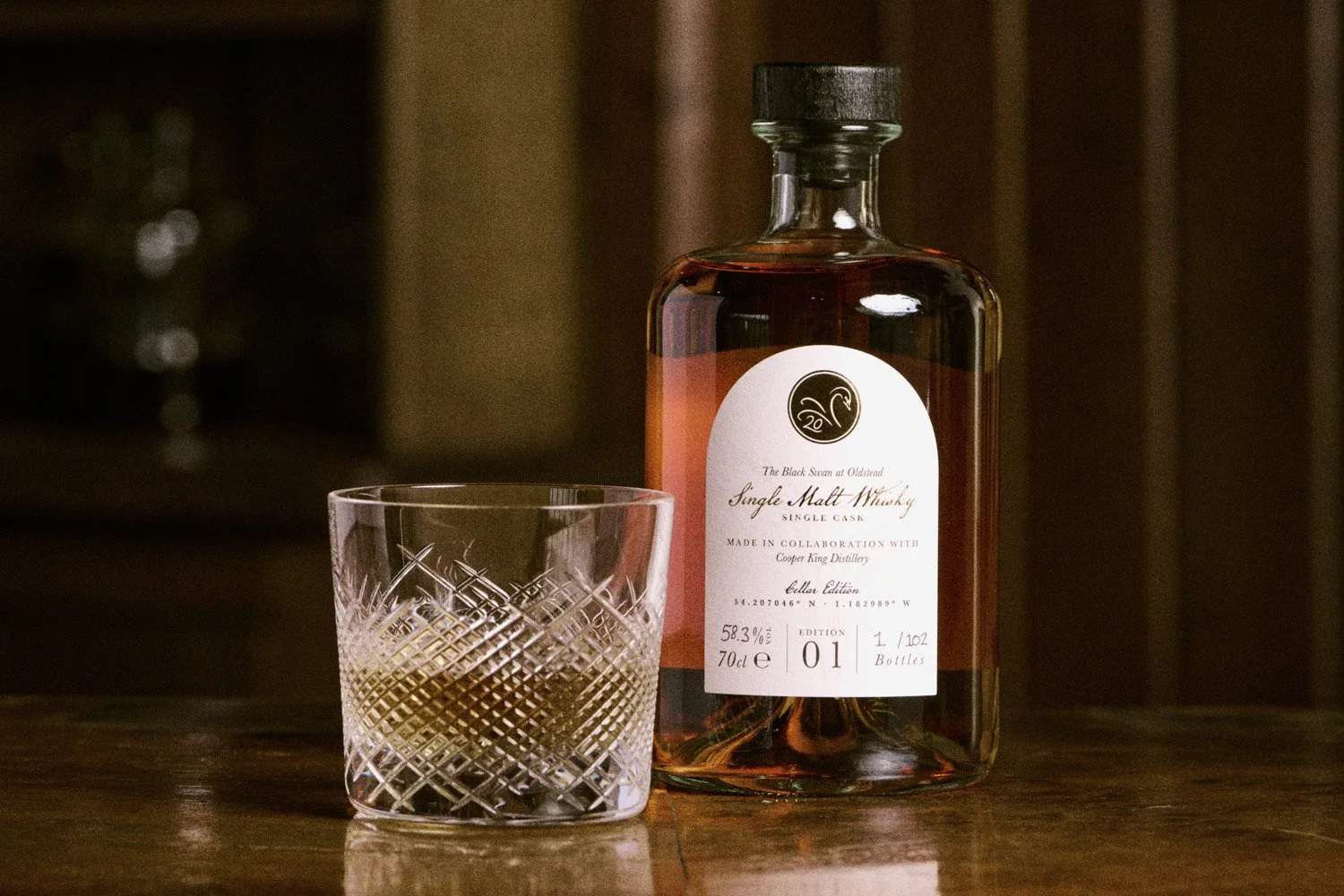
This limited release of 102 bottles is bottled at cask strength and available by the dram at Cooper King and The Black Swan, with bottles available through the Black Swan website.
Explore further:
Explore the Spirit Specifics for the Black Swan Single Cask release.
Buy a Whisky Expedition Box.
Find out about our other cask types, like the NEOC cask.
Read more about how we make single malt whisky.